A Most Serene Sunday
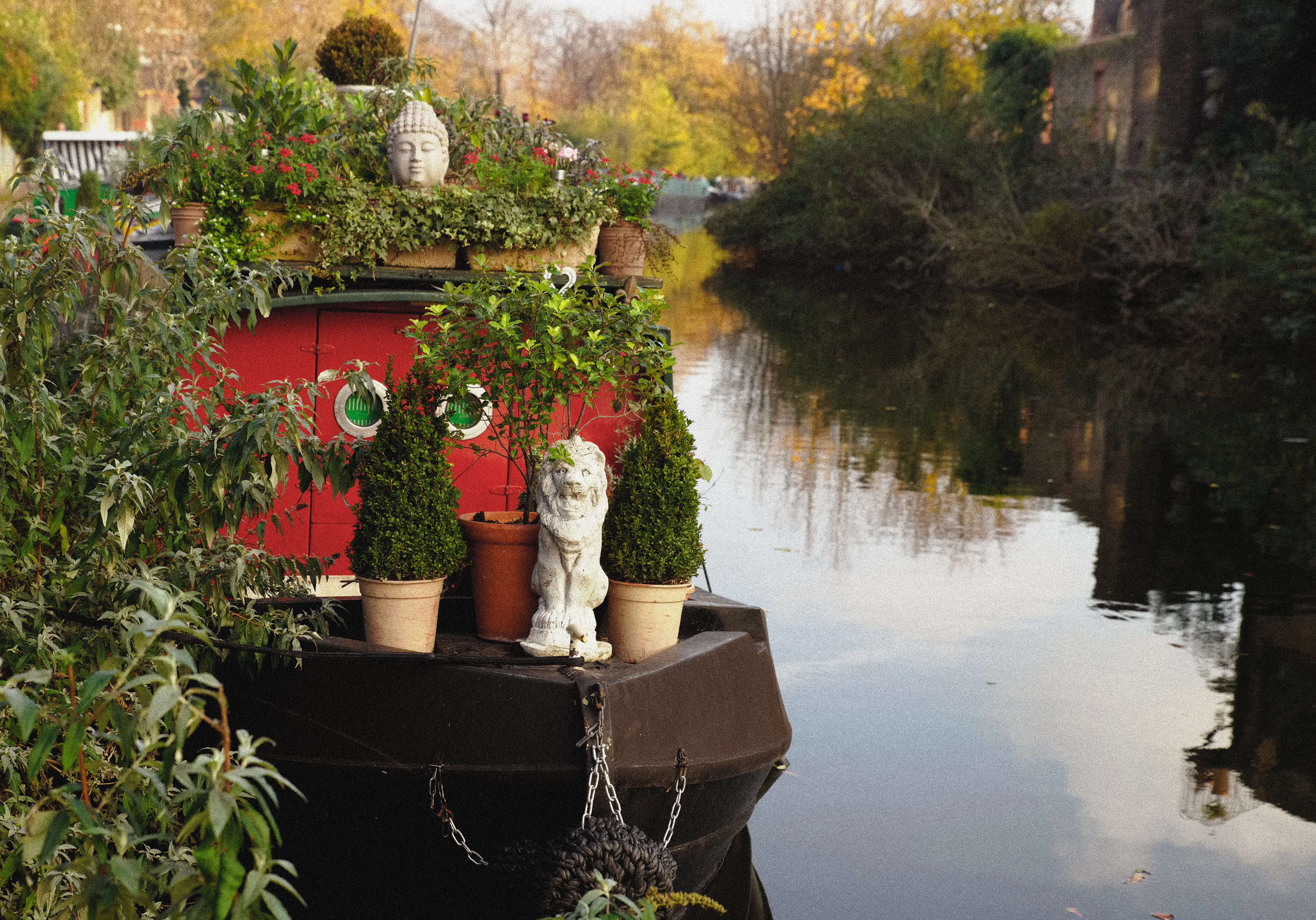
Since the sun shone and the weather forecast called for clear skies throughout the afternoon, I made quick with the gym this morning, laundered a few pieces of clothing, assembled my notebook and six rolls of film for my camera (two black and white, four colour) and set out in search of something fresh to see here in London. I intended to visit Queen’s Park for no better reason than I used to play a game set in the 19th Century version of the neighbourhood. Every so often in the morning on the Underground, usually whilst pressed up against someone thick, bulky and unyielding, I scan the famous coloured Tube map and imagine various places I have been. The places yet to be seen bother me. A vast swath of the city remains unknown to me, but bit by bit, link by link I join up my fragmented experiences here into a seamless whole. To combat claustrophobia - or simple boredom - I can trace routes and recall moments along interconnected streets and railway lines until my imagination flits through the entirety of the capital.
The Bakerloo Line lurched forward and stopped several times near Edgware Road and so I made a snap decision to alight at Warwick Avenue. I wanted to see something calm, glistening and relaxing. Outside the Tube station, several signs pointed past whitewashed mansions to a central lagoon where the Regent’s and the Grand Union Canal intersect. This is Little Venice. A splash of water, some canal-side cafés, families rich and poor out pushing prams, lissom young women and their banker boyfriends, some poor kids kicking around on a lazy Sunday afternoon - those stucco-faced homes and nearby social housing contribute to the human flow along the banks of the canal.
I stopped counting narrowboats somewhere just shy of fifty. I’m sure there are well over a hundred. They’re moored back to front on either side and some are painted in punchy colours, some are constructed out of distinguished teak, while others lay anchored at permanent rest in rust. The twee names of the boats reminded me of particularly silly pub names: The Liberty Belle, Rock Foyle, The Last Farthing, Aqua Vitae. People live on most of the boats, although there are a couple of larger vessels in the lagoon that house an art gallery and give rides to tourists. I saw at least one family of three bring some M&S bags on board for Sunday lunch. Somewhere deep amid the jostle of these different boats, farther north along the Grand Union Canal, a gathering of service barges rub against each other and are laden with fuel in bags labelled “phurnacite” - a noxious coal derivative, I later learned.
Fifteen minutes walk away from the central lagoon, where a concrete curlycue staircase leads to a bridge, I heard charismatic Christian pop music. Well, I first heard an elderly American woman say “I’m sure if we just walk a little farther we’ll be near a main road. What nice music that is.” The ruckus reverberated from out of a prodigiously tall and long brick church discoloured from a hundred or so years of smog. This dark and imposing relic still stands and serves the nearby tower blocks and council estates which begin to dominate this stretch of waterway. In a sort of pit formed from the old entrance to the crypt but which now was full of leaves and odd bits of machinery, I saw a sign: Parish Church of St. Mary Magdalene in Paddington. However grim the exterior of this place, the steady light of the day, the green park on the hill that led to the water and the spiritual zeal of the music overcame any sense of loss or decay.
Or I might just have been hungry.